
How Much Do Trade Tools Cost? What Virginia Apprentices Need on Day One
Where Your Money Goes. And Where It Doesn't.
Most people assume the hard part of becoming an electrician, welder, or HVAC technician is earning the certification.
It is. But there's a step nobody talks about.
On day one, employers expect you to show up with your own tools. Not borrowed. Not eventually. Yours. Day one. That's the industry standard across every trade.
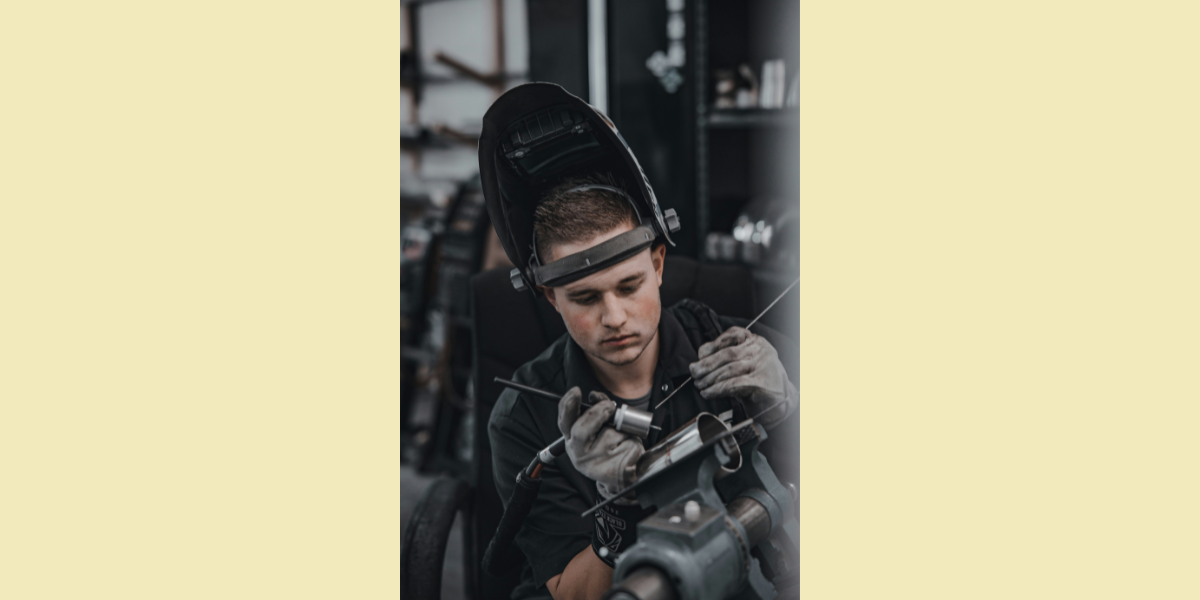
A new welder needs a helmet, gloves, clamps, and hand tools. A new electrician needs wire strippers, a multimeter, fish tape, and a voltage tester. A new HVAC tech needs refrigerant gauges, a tubing cutter, and flaring tools. A professional-grade starter kit runs $800 to $1,500 depending on the trade.
For a Virginia high school graduate heading straight into the workforce, that number is the last barrier between a certification and a career.
There is no financial aid for tools. No scholarship. No payment plan. Cash up front — or you don't start.
That's the only problem VBCTF solves.
We buy professional-grade tools for certified Virginia trade graduates who can't afford them. No cash to students. No gift cards. The actual equipment, purchased directly, matched to their trade. Up to $1,950.
Your donation doesn't fund overhead. It doesn't fund salaries — we don't have any. It buys tools. That's it.
They earned the skills. You provide the tools.
