
What Your Student Actually Gets — Inside the Apprentice Tool Grant
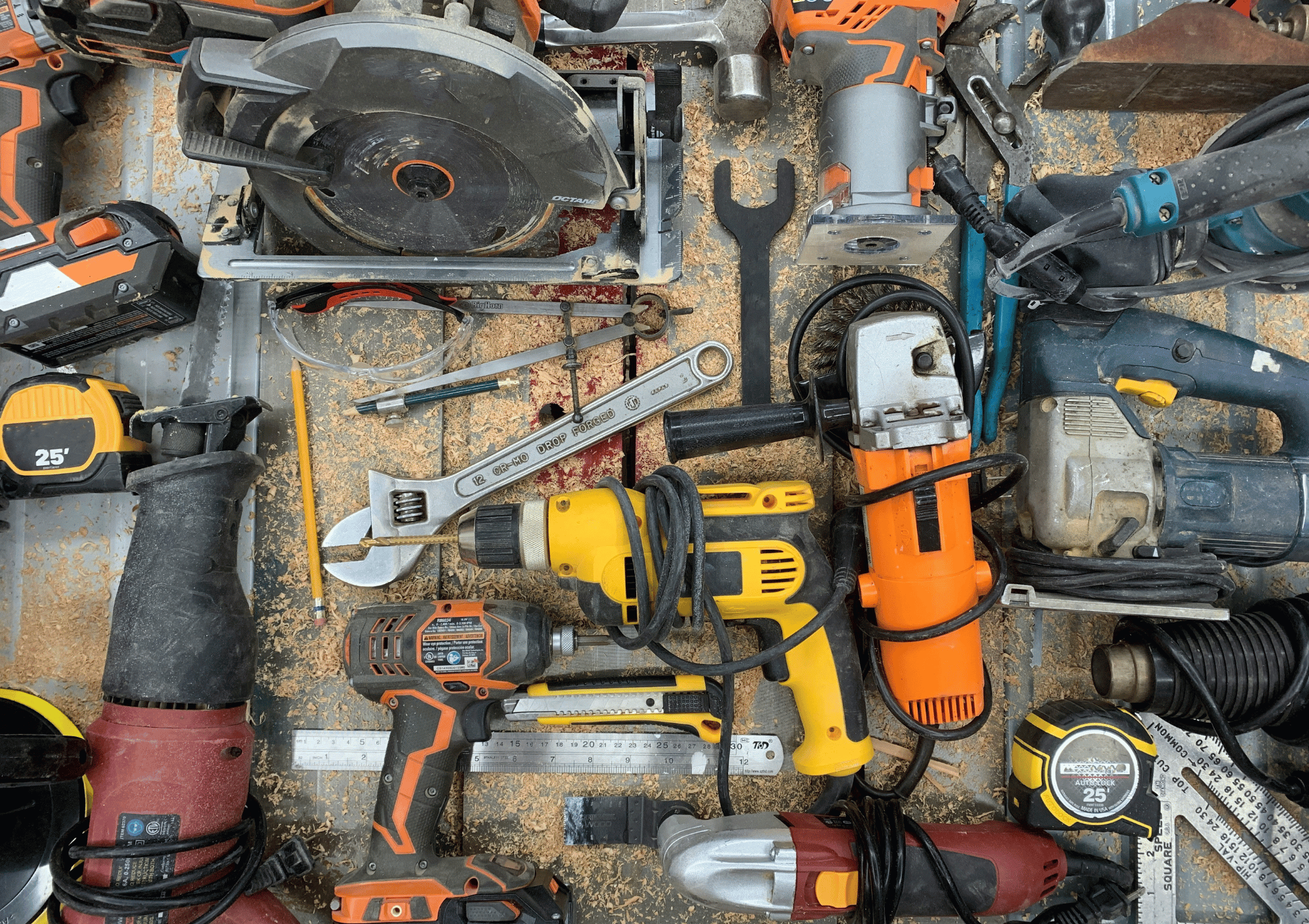
The single most common question from educators new to VBCTF: is this a gift card, a check, or actual tools?
Actual tools.
Here's exactly how it works.
When a nomination is approved, your student builds a shopping cart of the tools they need for the trade they're entering — the things their employer, journeyman, or apprenticeship coordinator told them to show up with. They email it to us. We buy it. We ship it. They open a box of professional-grade equipment matched to their trade.
The grant is valued up to roughly $1,950. That covers a real working set of tools for an entry-level apprentice in most hard-trades pathways. For some students it's a complete starter kit. For others it's the expensive backbone — the multimeter, the impact, the welding helmet — and they fill in the smaller hand tools themselves. The student knows what they need; we trust them to spend it well.
Why in-kind, not cash?
A few reasons, and they all matter:
Donor confidence. When someone gives money to VBCTF, they want to know it became a tool in a graduate's hand. Not a gift card. Not a check that could be spent on anything. Tools.
The student is brand new. Eighteen-year-olds with $1,950 cash in hand are not always going to spend it on a Knipex set and an impact driver. That's not a knock on the student — it's a fact about being eighteen. The in-kind model removes that risk.
No tax headaches for the student. Cash grants can have tax implications. In-kind grants, structured the way VBCTF structures them, don't put a 1099 in your graduate's mailbox the following January.
Bulk and relationships. Over time, VBCTF can negotiate better pricing on tools than individual graduates can — which means more tools per dollar raised.
What's not included:
The grant covers tools and directly related equipment — hand tools, power tools, meters, safety gear like welding helmets and steel-toe boots when they're part of the kit, tool boxes and bags. It doesn't cover tuition, gas money, work clothes, phone bills, or general living expenses. We are, deliberately and only, a tool foundation.
The result on day one:
Your student walks onto the job site with the equipment they need to do the work. No improvising. No borrowing. No "I'll get a real impact when I get my first paycheck." They show up looking like a tradesperson, because they are one.
Ready to nominate?Open the nomination form →
