
Electrical Apprentice Tool Checklist — What Your Graduate Needs Day One
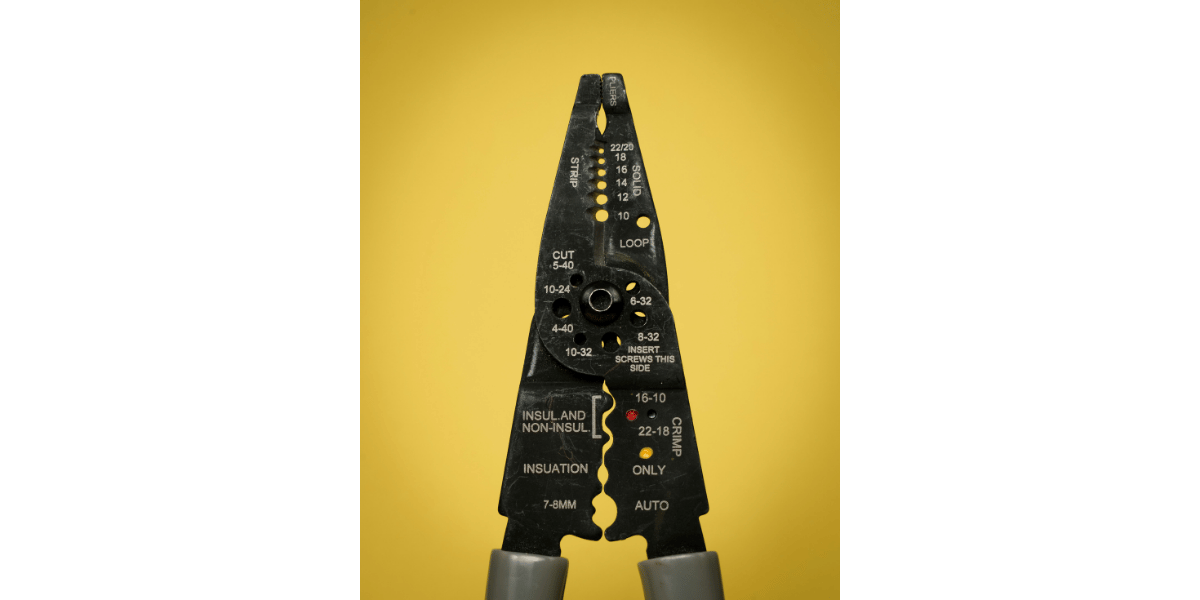
If your student is graduating from a high school electrical program and heading into a residential or commercial electrical apprenticeship — IBEW, IEC, or a non-union electrical contractor — here's the kind of tool list they'll usually need on day one. Use it as a starting point when they're putting together their tool grant shopping cart, and remind them to confirm with their journeyman or apprenticeship coordinator.
Hand tools — the core kit
Lineman's pliers (9" Klein or equivalent)
Side-cutting pliers
Needle-nose pliers
Wire strippers (a real one — Klein 11055 or Knipex equivalent)
Cable cutters
Insulated screwdriver set (#1 and #2 Phillips, slotted, square drive)
Nut driver set (in inches)
Channel-lock pliers
Hammer (smooth-face, 16 oz)
Tape measure (25')
Utility knife
Torpedo level (8" or 9")
Power and testing
Non-contact voltage tester (Klein NCVT or Fluke 1AC)
Multimeter (Fluke 117 or 87V is the gold standard; Klein MM700-series is a respectable starter)
Cordless drill — the apprenticeship may specify a brand
Drill bits and hole saws (carbide and bi-metal)
Fish tape (25' for residential, 50'+ for commercial)
Specialty
Conduit bender (½" and ¾" if heading commercial; often supplied by employer for first year)
Knockout punch set (later — usually not day one)
Crimper for terminals
Wire nuts and connectors (sometimes supplied, sometimes not)
Personal protective equipment
Safety glasses
Hard hat (commercial)
Work gloves
Steel-toe boots
Hearing protection (commercial environments)
Storage
Electrician's tool pouch or bucket bag
Tool belt with suspenders (if commercial)
Specific to the credential
If your student earned NCCER Electrical Level 1 or 2, OSHA 10, or an industry-recognized residential wiring credential, the kit above covers most entry-level expectations. If they're entering an IBEW apprenticeship, the local hall will often hand them a tool list on day one — having most of this already in their bag puts them ahead.
Approximate cost
A solid electrical apprentice starter kit runs $1,100–$1,700 at retail, with the multimeter and cordless drill being the two biggest single items. That fits well within the Apprentice Tool Grant's range.
Why this matters
An electrical apprentice without a real multimeter is a liability. An apprentice with a Fluke in their bag — even a basic one — is someone the journeyman trusts to do real work. The tools aren't just equipment; they're a signal that this graduate showed up serious.
Ready to nominate? Open the nomination form →
